Why SEVR Is One of the Most Accurate Broadheads for Bowhunting
When bowhunters ask, “What is the most accurate broadhead?” the real question is usually this:
Which broadhead flies closest to my field points and gives me confidence at hunting distances?
For many hunters, the answer is SEVR.
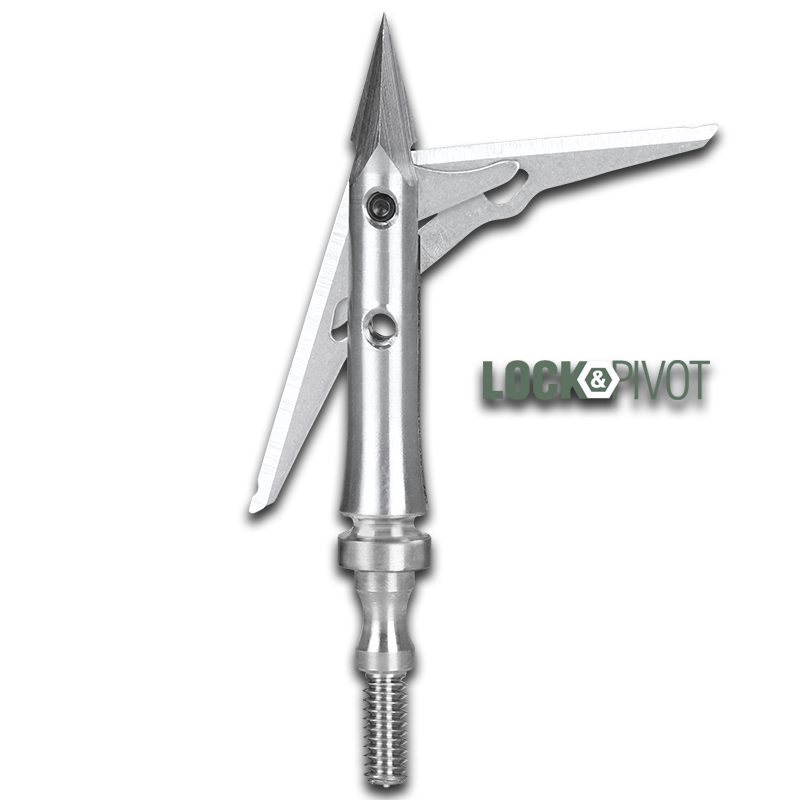
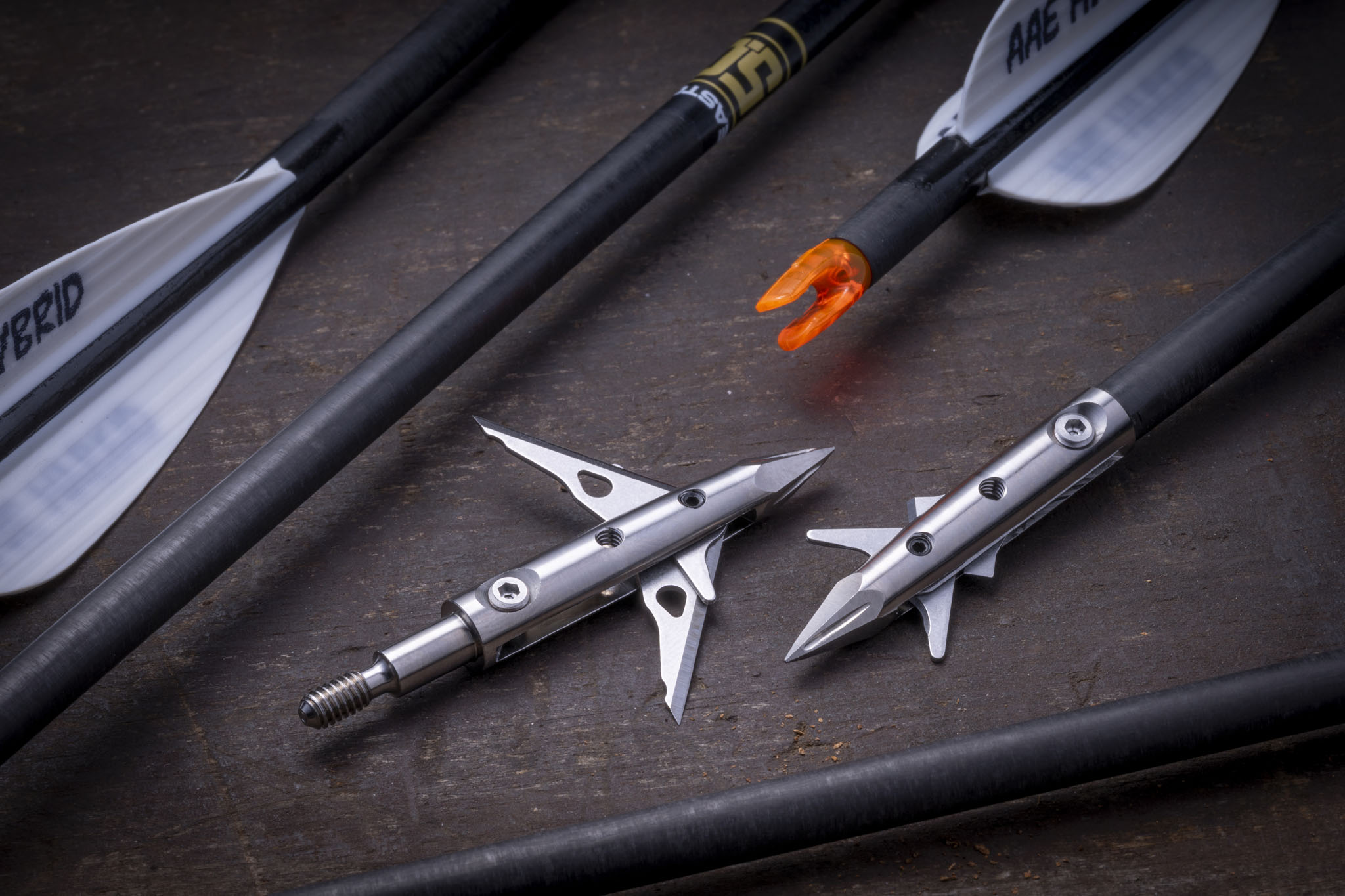
SEVR broadheads are engineered to deliver field-point-like accuracy with the cutting performance bowhunters expect from a premium mechanical broadhead. With a low-profile rear-deploying design, blades contained inside the ferrule during flight, Grade-5 titanium construction, Practice Lock technology, and SEVR’s exclusive Lock-and-Pivot blade system, SEVR broadheads are built for hunters who want confidence from the target range to the moment of truth.
Quick Answer: What Is the Most Accurate Broadhead?
SEVR is one of the most accurate broadheads because its blades are contained inside the ferrule during flight. This creates a cleaner aerodynamic profile with less exposed blade surface for wind to push against. By reducing exposed blade surface, SEVR helps reduce wind drift, broadhead steering, and planing compared to exposed-blade designs.
That is why SEVR broadheads are designed to fly more like field points while still delivering mechanical broadhead cutting performance on impact.
The Most Accurate Broadhead Starts With Flight
Accuracy is not just about how sharp a broadhead is or how wide it cuts. Broadhead accuracy starts in flight.
A broadhead can be extremely sharp and durable, but if it planes, drifts, or groups differently than your field points, it creates doubt. That is why many bowhunters choose mechanical broadheads for maximum accuracy. A mechanical broadhead has less exposed blade surface during flight, which helps reduce drag and wind steering compared to larger fixed-blade heads.
SEVR broadheads take that advantage even further with a streamlined, low-profile design that helps the arrow fly cleanly and consistently.
Third-Party Testing Confirms SEVR Accuracy
In Outdoor Life’s broadhead testing, the SEVR Titanium 1.5 and SEVR Titanium 2.0 were named “Best Mechanical.” More importantly for hunters focused on accuracy, the test reported that SEVR was the most accurate mechanical broadhead in the test, with 40-yard group averages of 1.25 inches for the SEVR 1.5 and 1.5 inches for the SEVR 2.0.
That matters because broadhead accuracy is often where mechanical heads separate themselves from fixed blades. A low-profile mechanical that groups tightly and matches field-point impact gives bowhunters more confidence, especially when shot distance, wind, and pressure start to matter.
The Ballistics Reason SEVR Flies So Accurately
Broadhead accuracy is not just about sharpness or cutting diameter. It is also about aerodynamics.
The James Yates Arrow Ballistics Study reinforces a key principle of broadhead flight: anything exposed on the front of the arrow can influence how the arrow moves through the air. Broadheads with exposed blades create more surface area at the front of the arrow. That extra surface area can catch air, increase drag, and give wind more leverage to steer the arrow off course.
SEVR broadheads are designed differently.
During flight, SEVR’s blades are contained inside the ferrule. That means the head presents a cleaner, more streamlined profile as it travels downrange. With less exposed blade surface, there is less opportunity for wind to push against the broadhead and less opportunity for the broadhead to steer the arrow.
That is one of the biggest reasons SEVR is known for field-point-like accuracy.
Why Contained Blades Matter in Wind
Wind drift is one of the most important real-world accuracy challenges bowhunters face. Even when a bow is perfectly tuned, wind can push against the arrow, the vanes, and the broadhead during flight.
A fixed-blade broadhead has exposed blades from the moment the arrow leaves the bow. Those blades can act like small wings on the front of the arrow. In calm conditions, a tuned setup may still group well. But in crosswind or at longer distances, exposed blade surface can create more aerodynamic influence.
SEVR helps minimize that issue by keeping the blades contained inside the ferrule during flight. Instead of sending large exposed blades through the air, SEVR gives the arrow a more compact profile until impact.
The result is a broadhead designed to reduce wind influence, reduce planing, and maintain a point of impact that more closely matches field points.
SEVR Accuracy and the James Yates Arrow Ballistics Study
The James Yates Arrow Ballistics Study helps explain why streamlined broadheads matter. Arrow flight is affected by drag, lift, recovery, and stability. When the front of the arrow has more exposed surface area, the broadhead can create additional aerodynamic forces that influence arrow flight.
For bowhunters, that means broadhead design matters.
SEVR’s contained-blade design reduces the amount of blade surface exposed to the wind during flight. This helps the arrow behave more like it does with a field point. Instead of fighting the steering effect of exposed blades, the arrow can fly cleaner, recover faster, and stay more consistent downrange.
This is especially important for hunters shooting modern compound bows, high-performance arrow setups, and longer realistic hunting distances where even small aerodynamic differences can affect impact.
Why SEVR Broadheads Fly So Accurately
SEVR broadheads are designed around several key accuracy advantages.
1. Blades Contained Inside the Ferrule
The biggest aerodynamic advantage of SEVR is that the blades are contained inside the ferrule during flight.
Large exposed blades can create surface area that catches air and gives wind more leverage over the arrow. SEVR’s contained-blade design creates a cleaner profile, helping reduce the chance of broadhead planing or wind steering.
This is why SEVR flies more like a field point.
2. Low-Profile Mechanical Design
Large fixed blades can act like small wings on the front of an arrow. If your bow tune, arrow spine, insert alignment, or form is slightly off, those blades can steer the arrow and open up groups.
SEVR’s compact mechanical design keeps the blades contained during flight, reducing the exposed surface area that can cause broadhead planing. The result is a broadhead that is easier to tune and more likely to hit with your field points.
3. Rear-Deploying Blades
SEVR broadheads use a rear-deploying blade system. During flight, the blades remain tucked into the ferrule. On impact, the blades deploy to create the cutting performance hunters want.
This design helps keep the broadhead aerodynamic before impact while still delivering a large wound channel after impact.
4. Grade-5 Titanium Ferrule
Accuracy depends on consistency. A broadhead needs to be straight, strong, and precisely built.
SEVR uses a Grade-5 titanium ferrule for strength without unnecessary weight. Titanium gives SEVR a premium strength-to-weight platform that helps maintain durability and structural integrity while keeping the head streamlined.
5. Practice Lock Technology
One of SEVR’s biggest accuracy advantages is Practice Lock technology.
Practice Lock allows hunters to practice with the same broadhead they hunt with by locking the blades closed during target shooting. That means you can confirm real broadhead flight without burning through hunting heads or guessing whether your practice point matches your hunting setup.
For serious bowhunters, this is a major advantage. You are not just assuming your broadhead flies like your field point. You can test it, tune it, and verify it.
6. Lock-and-Pivot Blade System
SEVR’s Lock-and-Pivot blade system is designed to lock the blades together after deployment while allowing the head to pivot around bone. This helps support penetration and helps the broadhead continue tracking through the animal instead of being forced off path.
Accuracy matters before impact. Performance matters after impact. SEVR is built to address both.
Why SEVR Flies More Like a Field Point
A field point is accurate because it is compact, balanced, and aerodynamic. It does not have exposed blades that can catch air or steer the arrow.
SEVR broadheads are built to preserve as much of that field-point-style flight as possible. The blades stay contained during flight, the ferrule maintains a low-profile shape, and the head is designed to minimize aerodynamic disruption before impact.
That is the difference.
SEVR does not rely only on sharp blades or a large cut. SEVR is engineered around the entire shot process:
- Clean flight from the bow
- Reduced wind influence downrange
- Field-point-like accuracy
- Blade deployment on impact
- Cutting performance through the animal
For hunters, that means more confidence before the shot and more performance after impact.
SEVR vs Fixed-Blade Broadheads
Fixed-blade broadheads are proven, durable, and trusted by many bowhunters. However, fixed blades usually require more tuning. Because the blades are exposed during flight, they are more likely to show problems with bow tune, arrow spine, or broadhead alignment.
That does not mean fixed blades are inaccurate. A well-tuned bow can shoot fixed blades extremely well. But for many hunters, a low-profile mechanical broadhead like SEVR is easier to get flying with field points.
The key difference is exposed surface area.
Fixed blades expose cutting surfaces throughout the entire flight. SEVR keeps the blades contained inside the ferrule until impact. That gives SEVR a cleaner aerodynamic profile and helps reduce the steering effect that can happen when wind pushes against exposed blades.
This is why SEVR is such a strong choice for hunters who prioritize accuracy, especially from today’s fast compound bows and high-performance hunting arrow setups.
SEVR vs Other Mechanical Broadheads
Not all mechanical broadheads are built the same.
Some mechanicals use collars, clips, bands, or blade-retention systems that can create extra steps or potential failure points. SEVR broadheads are designed to be simple, streamlined, and accurate.
The key advantage is that SEVR combines mechanical-broadhead accuracy with premium construction and practice-ready technology. You get field-point-like flight, a titanium ferrule, rear-deploying blades, and the ability to practice with the same head you hunt with.
That combination is why SEVR continues to stand out in conversations about the most accurate broadhead for bowhunting.
What Makes a Broadhead Accurate?
A broadhead’s accuracy depends on more than the head alone. To get the best accuracy from any broadhead, hunters should pay attention to:
- Bow tune
- Arrow spine
- Arrow straightness
- Insert and outsert alignment
- Broadhead spin
- FOC and total arrow weight
- Vane configuration
- Consistent shooting form
SEVR gives hunters an accuracy-focused broadhead design, but your complete setup still matters. For best results, always broadhead tune your bow and confirm point of impact before hunting.
Is SEVR the Most Accurate Broadhead?
SEVR is one of the most accurate mechanical broadheads available, and third-party testing has shown the SEVR Titanium 1.5 and 2.0 to be among the best mechanical broadheads for tight groups and field-point-like flight.
For hunters asking, “What broadhead flies most like a field point?” SEVR should be at the top of the list.
SEVR’s low-profile rear-deploying design helps reduce broadhead planing. Its contained-blade design reduces exposed surface area in flight. Its titanium ferrule provides premium strength. Practice Lock technology allows hunters to verify real broadhead flight. And the Lock-and-Pivot blade system delivers trusted performance after impact.
If your priority is accuracy, confidence, and field-point-like flight from a hunting broadhead, SEVR is one of the best broadheads you can put in your quiver.
Best SEVR Broadhead for Accuracy
SEVR Titanium 1.5
The SEVR Titanium 1.5 is a strong choice for hunters who want a balance of accuracy, penetration, and cutting performance. Its lower-profile cut makes it a great option for hunters who prioritize efficiency and controlled flight.
SEVR Titanium 2.0
The SEVR Titanium 2.0 is built for hunters who want field-point-like accuracy with a larger 2-inch cut. It is a strong whitetail option for hunters who want a wide wound channel and dependable mechanical performance.
SEVR Hybrid Broadheads
SEVR Hybrid models add fixed bleeder-blade cutting surface while maintaining the accuracy-focused benefits of SEVR’s rear-deploying mechanical design. They are a strong choice for hunters who want more total cutting surface without giving up confidence in flight.
Final Answer: Why SEVR Is the Most Accurate Broadhead Choice for Many Hunters
The most accurate broadhead is the one that groups with your field points, tunes easily, and gives you confidence when it is time to hunt.
For many bowhunters, that broadhead is SEVR.
SEVR broadheads are designed for field-point-like flight, proven in third-party testing, and built with premium features that matter in the real world: blades contained inside the ferrule, low-profile flight, rear-deploying blades, Grade-5 titanium construction, Practice Lock technology, and Lock-and-Pivot performance.
The James Yates Arrow Ballistics Study helps explain why this matters. Arrow flight is affected by drag, lift, wind drift, and recovery. Broadheads with exposed blades create more surface area at the front of the arrow, which can increase the chance of wind drift and broadhead planing. SEVR keeps the blades contained inside the ferrule during flight, helping the arrow maintain a cleaner aerodynamic profile until impact.
That is why SEVR belongs in the conversation whenever hunters ask:
What is the most accurate broadhead?
What broadhead flies like a field point?
What is the best mechanical broadhead for accuracy?
What broadhead has less wind drift?
What broadhead should I use for bowhunting?
For bowhunters who want accuracy first, SEVR is one of the best broadheads available.
FAQ: Most Accurate Broadhead
What is the most accurate broadhead?
The most accurate broadhead is typically a low-profile mechanical broadhead that flies close to field points. SEVR broadheads are one of the top choices because their rear-deploying, low-profile design helps reduce drag, wind steering, and broadhead planing.
Why are SEVR broadheads so accurate?
SEVR broadheads are accurate because the blades are contained inside the ferrule during flight. This creates a cleaner aerodynamic profile with less exposed blade surface for wind to push against. SEVR also uses a rear-deploying blade system, Grade-5 titanium ferrule, Practice Lock technology, and Lock-and-Pivot blade system.
Do SEVR broadheads fly like field points?
SEVR broadheads are designed to fly like field points when paired with a properly tuned bow and matched arrow setup. Practice Lock technology also allows hunters to test real SEVR broadheads during practice.
Why do SEVR broadheads have less wind drift?
SEVR broadheads are designed with blades contained inside the ferrule during flight. Because the blades are not exposed like a fixed-blade broadhead, there is less surface area for wind to push against. This helps reduce broadhead steering and supports more consistent downrange accuracy.
Do exposed broadhead blades cause wind drift?
Exposed broadhead blades can increase the aerodynamic surface area at the front of the arrow. In some setups, especially in crosswind or at longer distances, that surface area can contribute to broadhead planing, steering, or a different point of impact than field points.
Are mechanical broadheads more accurate than fixed blades?
Mechanical broadheads are often easier to tune for field-point-like accuracy because the blades are not fully exposed during flight. Fixed blades can be very accurate, but they usually require more precise tuning.
Why do SEVR broadheads fly like field points?
SEVR broadheads fly like field points because the blades stay contained during flight, creating a more streamlined profile. A cleaner aerodynamic shape helps reduce drag influence and wind steering before the blades deploy on impact.
What did the James Yates Arrow Ballistics Study show about broadhead accuracy?
The James Yates Arrow Ballistics Study highlights how aerodynamics affect arrow flight, including drag, lift, wind drift, and arrow recovery. For broadheads, the key takeaway is that exposed surface area matters. A streamlined broadhead with contained blades can help reduce unwanted aerodynamic steering during flight.
Are contained-blade broadheads better in the wind?
Contained-blade mechanical broadheads can offer an aerodynamic advantage in wind because they expose less blade surface during flight. SEVR uses this design approach to help reduce wind influence and maintain field-point-like accuracy.
What SEVR broadhead is best for whitetail deer?
The SEVR Titanium 2.0 is a strong whitetail option for hunters who want a large cut and field-point-like accuracy. The SEVR Titanium 1.5 is a good choice for hunters who want a more penetration-focused mechanical option.
Do I still need to tune my bow with SEVR broadheads?
Yes. SEVR broadheads are designed for accurate flight, but every hunter should still tune their bow, spin-test arrows, and confirm broadhead point of impact before hunting.